
How to Get a Custom Tattoo in Hyderabad: A Complete Guide
Getting a custom tattoo in Hyderabad comes down to five things — picking a design that means something to you, choosing a skilled artist, visiting a hygienic studio, understanding what affects the price, and following proper aftercare. Start with a free consultation, review the artist’s portfolio, and never rush the process.
A tattoo is one of the few decisions you carry on your skin for life. That’s exciting — and a little nerve-wracking. Maybe you’ve been saving a design on your phone for months. Maybe you saw a piece on someone at a café and thought, “I want something like that, but mine.” Either way, the gap between a good idea and a great tattoo is bigger than most people expect.
Hyderabad has grown into a genuine hub for tattoo culture, with studios spread across areas like Jubilee Hills, Banjara Hills, and A. S. Rao Nagar. That’s good news and bad news. More choice means more quality artists — but it also means more places that cut corners on hygiene or copy designs off the internet. Knowing how to tell the difference is the whole game.
This guide walks you through everything that actually matters: choosing a design, finding the right artist, spotting a clean studio, understanding placement and pricing, preparing for your session, and caring for your ink afterward. Whether it’s your first tattoo or your fifth, you’ll leave with a clear plan.
How do you choose the right custom tattoo design for you?
The best tattoos usually start with a feeling, not a Pinterest board. Before you get attached to a specific image, ask yourself what you actually want the piece to represent — a memory, a person, a belief, or simply a style you love. That intent makes the design process smoother and keeps you from regretting a trendy choice a few years down the line.
It also helps to think about scale and detail early. A design crammed with tiny elements might look stunning on screen but blur together once it’s inked at a small size. A good artist will flag this during consultation, which is one reason working with a professional beats walking in with a fixed, non-negotiable idea.
Tattoo styles overview: fine line, realistic, minimalist, and more
Understanding a few common styles helps you communicate with your artist and shortlist someone whose strengths match your vision. Here’s a quick breakdown:
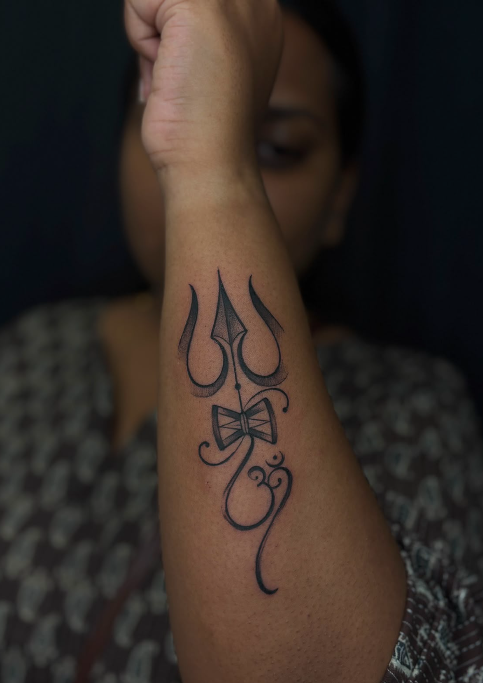
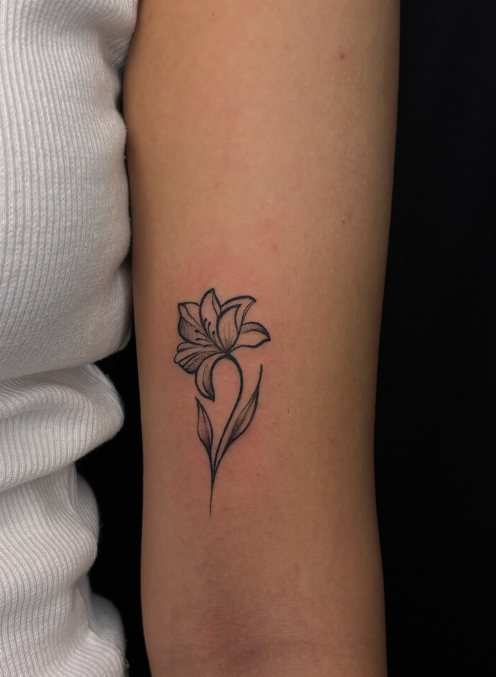
- Fine line: Delicate, thin lines used for elegant script, small florals, and subtle symbols. Popular for first tattoos.
- Realistic: Detailed, photo-like work such as portraits, animals, and nature. Requires an artist who specializes in it.
- Minimalist: Clean, simple designs with limited detail. Great if you want something understated.
- Blackwork: Bold, solid black patterns, geometric shapes, and mandalas.
- Geometric: Precise lines and symmetry, often combined with dotwork.
- Watercolor: Soft, painterly color blends that mimic brush strokes.
- Lettering/script: Names, dates, quotes, and calligraphy where font and spacing matter a lot.
No single artist excels at every style. That’s why matching the style to the right specialist matters more than picking the studio closest to your house.
What makes a custom tattoo design different from a flash design?
A custom tattoo is created from scratch around your idea, your body, and your chosen placement. A flash design is pre-drawn and available to anyone. Custom work costs more and takes longer to plan, but it guarantees your piece is one of a kind.
Studios that take custom work seriously — including Naksh Tattoos, which designs every tattoo from scratch and never copies existing artwork — treat your reference images as a starting point, not a template. You bring the idea; the artist shapes it into something that fits your body and reads well as skin art.
How do you choose a professional tattoo artist in Hyderabad?
Your artist matters more than the studio’s decor, its Instagram follower count, or even its price. A skilled artist can elevate a simple idea; an inexperienced one can turn a great concept into something you’ll want covered up later.
Start with their portfolio. Look for healed tattoos, not just fresh photos — fresh ink always looks crisp, but healed work reveals whether the lines hold up and the shading stays smooth over time. A strong portfolio in the specific style you want is the single best predictor of a good result.
What should you look for in a tattoo artist?
Keep this checklist in mind when you’re shortlisting:
- Style specialization: Their portfolio should show consistent, high-quality work in your chosen style.
- Healed work: Ask to see photos of tattoos months after they were done.
- Clear communication: A good artist listens, asks questions, and is honest about what will and won’t work.
- Hygiene habits: They should open fresh needles in front of you and wear gloves throughout.
- Client reviews: Genuine reviews on Google and social media tell you how people felt about the whole experience.
- Comfort: You should feel relaxed, not pressured. Trust your gut here.
Experience counts too. A studio with a long-established team — Naksh Tattoos, for example, works with 10+ artists and over 15 years of combined experience — usually means someone on staff specializes in exactly what you want. You can learn more about a studio’s background on its about page before booking.
How do you choose the right tattoo studio in Hyderabad?
Once you’ve found an artist you trust, the studio itself becomes the next checkpoint. A great artist working in an unhygienic space is still a risk you shouldn’t take. Visit in person if you can. A quick walk-through tells you more than any website.
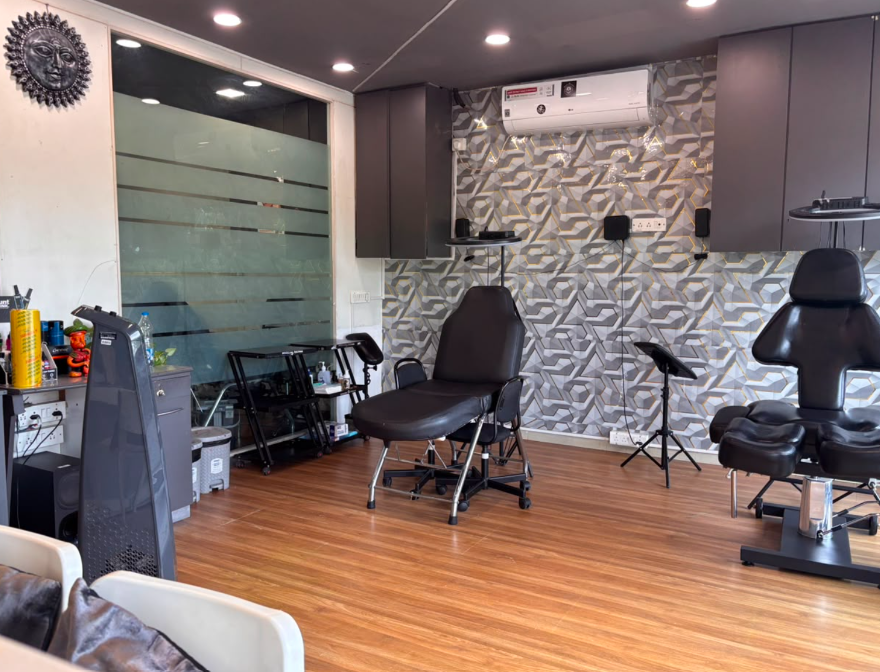
Notice whether the studio feels clean and organized, whether staff are welcoming, and whether the workstations look sterile. A professional space won’t just tolerate your questions about safety — they’ll happily answer them.
What hygiene and safety standards should a tattoo studio meet?
Hygiene isn’t a nice-to-have. It’s the difference between a tattoo you love and an infection you don’t. Here’s what a responsible studio should follow:
- Single-use, sterilized needles: Opened from sealed packaging in front of you, never reused.
- Autoclave sterilization: Reusable equipment sterilized using an autoclave system, which uses pressurized steam to kill bacteria.
- Fresh gloves: Worn throughout the session and changed as needed.
- Clean surfaces: Workstations wiped down and covered with disposable barriers.
- Quality inks: Premium inks from trusted brands, not cheap or unlabeled bottles.
- Proper disposal: Used needles discarded in a sharps container.
Studios like Naksh Tattoos, which uses sterilized single-use needles, premium inks, and autoclave sterilization across its A. S. Rao Nagar and Jubilee Hills branches, treat these standards as non-negotiable. If a studio seems evasive about any of this, walk away. There’s always another option.
Tattoo placement: what should you know before deciding?
Placement affects how your tattoo looks, how much it hurts, how it ages, and even how it fits into your daily life. It deserves more thought than most people give it.
Some spots hurt more than others. Areas with thin skin and close-to-bone locations — ribs, feet, hands, spine, and the inner arm — tend to be more sensitive. Fleshier areas like the outer thigh, forearm, and calf are usually more comfortable for a first-timer.
Placement also shapes design. A long, flowing piece suits a forearm or calf, while a compact circular design works well on the shoulder or ankle. Think about the future too: skin on hands and feet fades faster because of constant use, and areas that stretch or gain weight can distort a design over time. If your work or lifestyle requires a certain dress code, consider whether you want the tattoo visible or easy to cover.
How much does a custom tattoo cost in Hyderabad?
Tattoo pricing isn’t one flat number, and any studio quoting you a firm price before seeing your design should raise an eyebrow. Cost depends on several factors:
- Size: Bigger tattoos need more time and ink.
- Detail and complexity: Fine detail, shading, and color take longer than simple line work.
- Placement: Tricky areas that are harder to work on can add to the time.
- Artist experience: Highly skilled and in-demand artists charge more, and often for good reason.
- Color vs. black-and-grey: Full color usually costs more than black-and-grey.
- Number of sessions: Large pieces may need multiple sittings.
Many studios price by the piece for smaller designs and by the hour for larger ones. The smartest move is to book a consultation and get a quote based on your actual design. Remember the old tattoo saying: good tattoos aren’t cheap, and cheap tattoos aren’t good. This is one purchase where saving a little money can cost you a lot in touch-ups or removal later. You can explore the full range of options on the studio’s services page.”
What should you expect during a tattoo consultation?
A consultation is where your idea becomes a real plan. Many studios, including Naksh Tattoos, offer a free consultation, so there’s no reason to skip it.
During the session, you’ll talk through your idea, show reference images, and discuss placement and size. The artist may sketch a rough concept or explain how they’d adapt your idea to suit your body. This is your chance to ask about pricing, timing, and the number of sessions you’ll need. It’s also when you should raise any concerns about pain or aftercare.
Treat the consultation as a two-way interview. You’re deciding whether the artist gets your vision, and they’re figuring out how to bring it to life. Naksh Tattoos follows a clear five-step process — free consultation, custom design, final approval, tattoo session, and aftercare support — which means you review and sign off on the design before any needle touches your skin. That approval step is your safeguard against surprises.
How should you prepare for your tattoo appointment?
A little preparation makes your session smoother and your healing faster. In the days leading up to your appointment:
- Sleep well the night before. A rested body handles the process better.
- Eat a proper meal an hour or two beforehand to keep your blood sugar stable.
- Stay hydrated in the days leading up to it — hydrated skin takes ink better.
- Avoid alcohol for at least 24 hours before, since it thins your blood.
- Skip blood thinners like aspirin unless your doctor advises otherwise.
- Wear comfortable clothing that gives easy access to the area being tattooed.
- Don’t shave the area yourself; let the artist handle it.
Bring a snack and water for longer sessions, and give yourself permission to speak up if you need a short break. A good artist expects it.
First tattoo advice: common mistakes to avoid
If this is your first tattoo, a few classic mistakes trip up almost everyone. Steer clear of these:
- Rushing the decision. A design you love this month should still feel right in a year. Sit with it.
- Choosing on price alone. The cheapest quote often reflects the corners being cut.
- Copying someone else’s exact tattoo. Custom work suits your body and story far better.
- Getting names or trends you might regret. Think long-term, not just what’s viral right now.
- Ignoring hygiene. Never let anyone tattoo you with a needle you didn’t see opened.
- Skipping the consultation. It’s free at most studios and saves you from avoidable regret.
- Neglecting aftercare. Half of how your tattoo looks in a year depends on the two weeks after you leave the studio.
The single best piece of first-tattoo advice? Slow down. There’s no prize for booking quickly, and there’s real cost to booking badly.
Tattoo aftercare: how do you protect your new ink?
Your artist’s job ends when you leave the chair. Yours is just beginning. Aftercare is where good tattoos either stay sharp or fade into something you’re not proud of.
Immediate aftercare (first 7 days)
For the first week, treat your tattoo like an open wound, because that’s essentially what it is.
- Keep the initial bandage on for as long as your artist advises.
- Gently wash the area with lukewarm water and a mild, fragrance-free soap.
- Pat it dry — don’t rub — and apply a thin layer of the recommended aftercare ointment.
- Avoid scratching, soaking, swimming, and direct sunlight.
- Wear loose clothing so the skin can breathe and doesn’t rub against fabric.
Some peeling and light scabbing are normal as it heals. Resist the urge to pick. Pulling scabs early can drag ink out with them and leave patchy spots.
Long-term care and healing (after 7 days)
Once the surface heals, the goal shifts to keeping your tattoo vibrant for years.
- Moisturize regularly to prevent dryness and dullness.
- Apply sunscreen once fully healed — UV rays are the biggest long-term cause of fading.
- Never pick or peel the skin, even if it’s itchy.
- Avoid harsh, alcohol-based, or heavily scented products on the area.
According to the American Academy of Dermatology’s guidance on caring for tattooed skin, sun protection and moisturizing are the two habits that matter most for keeping a tattoo looking fresh over the years. If you want a detailed routine, this tattoo aftercare guide breaks down the full do’s and don’ts.
Why professional tattooing matters
It’s tempting to chase a bargain or trust a friend’s friend who “does tattoos on the side.” But a custom tattoo in Hyderabad is a permanent addition to your body, and the stakes are higher than the price tag suggests.
A professional studio brings three things an amateur can’t reliably match: consistent hygiene, real artistic skill, and proper aftercare support. Sterilized equipment protects your health. A trained artist ensures clean lines, even shading, and a design that ages well. And genuine aftercare guidance means you’re not left guessing during the crucial healing window.
Professional tattooing also respects your idea. Instead of forcing your vision into a pre-made template, a good artist collaborates with you until the design feels right. That’s the difference between ink you tolerate and art you’re proud to show off.
Ready to plan your custom tattoo in Hyderabad?
Getting a custom tattoo in Hyderabad is far less stressful once you know what to look for. Choose a design that means something, find an artist whose portfolio matches your style, insist on a clean and safe studio, understand what shapes the price, and commit to proper aftercare. Do those five things, and you’ve stacked the odds heavily in your favor.
Take your time with the decision, book a consultation before committing, and ask every question on your mind. The right studio will welcome your questions, not dodge them.
When you’re ready to talk through your idea, get in touch with Naksh Tattoos to book a free consultation at either the A. S. Rao Nagar or Jubilee Hills branch. Bring your reference images, your questions, and your vision — the rest can be built from there.
FAQ
How do I get a custom tattoo in Hyderabad?
Start by booking a consultation with a professional studio. Bring your idea and reference images, discuss placement and size, review the custom design, approve it, and then schedule your session. Studios like Naksh Tattoos offer a free consultation to guide you through each step.
How much does a custom tattoo cost in Hyderabad?
There’s no fixed rate. Cost depends on size, detail, placement, color, artist experience, and the number of sessions needed. Smaller pieces are often priced per design, while larger work is charged by the hour. Book a consultation for an accurate quote.
Does getting a tattoo hurt?
Most people describe it as mild to moderate discomfort rather than sharp pain. It varies with placement — ribs, feet, and hands tend to hurt more, while the forearm, calf, and outer thigh are generally easier for a first tattoo.
How long does a tattoo take to heal?
The surface usually heals within one to two weeks, but full healing beneath the skin can take up to a few weeks longer. Following proper aftercare speeds up the process and protects the final result.
Is it safe to get a tattoo in Hyderabad?
Yes, provided you choose a studio that follows strict hygiene standards — single-use sterilized needles, autoclave sterilization, gloves, and quality inks. Always confirm these practices before booking.
“
Can I bring my own tattoo design?
Absolutely. A reference image or your own sketch is a great starting point. A professional artist will refine it into a custom design that suits your body and placement rather than copying it exactly.
What’s the best placement for a first tattoo?
Fleshier, less sensitive areas like the outer forearm, upper arm, and calf are popular first choices. They tend to hurt less, heal well, and are easy to show off or cover as needed.
How do I prepare for my tattoo appointment?
Sleep well, eat a good meal beforehand, stay hydrated, and avoid alcohol for at least 24 hours. Wear comfortable clothing that gives easy access to the area, and don’t shave it yourself — let the artist do it.
How do I care for my tattoo after the session?
For the first seven days, treat it as an open wound: wash gently with lukewarm water and fragrance-free soap, apply a thin layer of recommended ointment, and avoid scratching, soaking, and sunlight. Long term, moisturize and use sunscreen.
Should I choose a tattoo studio based on price?
No. Price alone is a poor guide. Prioritize hygiene, the artist’s portfolio in your chosen style, and genuine reviews. A slightly higher price for safe, skilled work is far cheaper than fixing or removing a bad tattoo.